

I’ve always felt discouraged from playing FromSoftware games. They’re brutally challenging and have a vague style of storytelling that’s not the most accessible.
After throwing myself at a boss for over an hour, I just don’t have the patience left to puzzle a story together from obscure dialogue and item descriptions. While that’s not my idea of fun, I’m still drawn to their stories. So for a long time, I watched these games from the sidelines.
It wasn’t until Sekiro: Shadows Die Twice, and its focus on more traditional narrative and less muscle memory from previous titles, that I finally experienced the FromSoftware brand of storytelling for myself.
Now I learned a whole lot from my first time “gitting gud,” and I have a new appreciation for their unique flavor of narrative. But, what struck me the most was just how well Sekiro’s story blends with its gameplay.
- The Premise of Sekiro
- Combining Characters & Combat
- Storytelling Through Spaces
- Thematic Gameplay: Storytelling Through Mechanics
The Premise of Sekiro: Shadows Die Twice
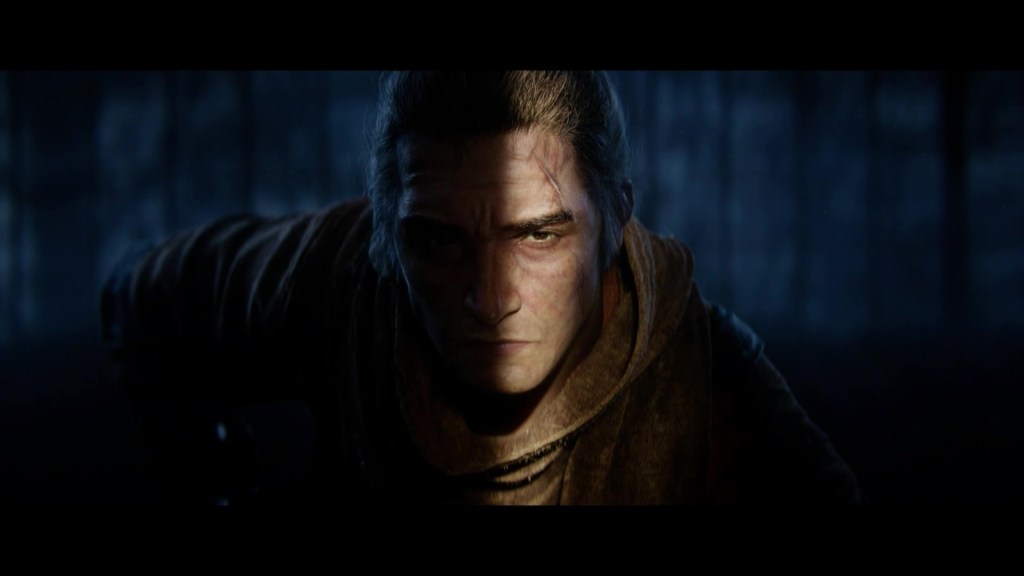
In Sekiro, you play as Wolf, the shinobi to Lord Kuro. Thanks to his supernatural bloodline, Kuro’s given you the ability to resurrect. As you can imagine, that’s an extremely powerful tool in the game’s fictional Japan. So, it’s your job to protect him from those after his power.
This premise makes resurrection both a core gameplay mechanic and central story focus. The narrative design of Sekiro weaves this idea throughout its plot, world, and other gameplay elements. So, let’s take a look at a few examples of how Sekiro masterfully blends its pulse-pounding gameplay and dramatic storytelling together.
Combining Characters & Combat
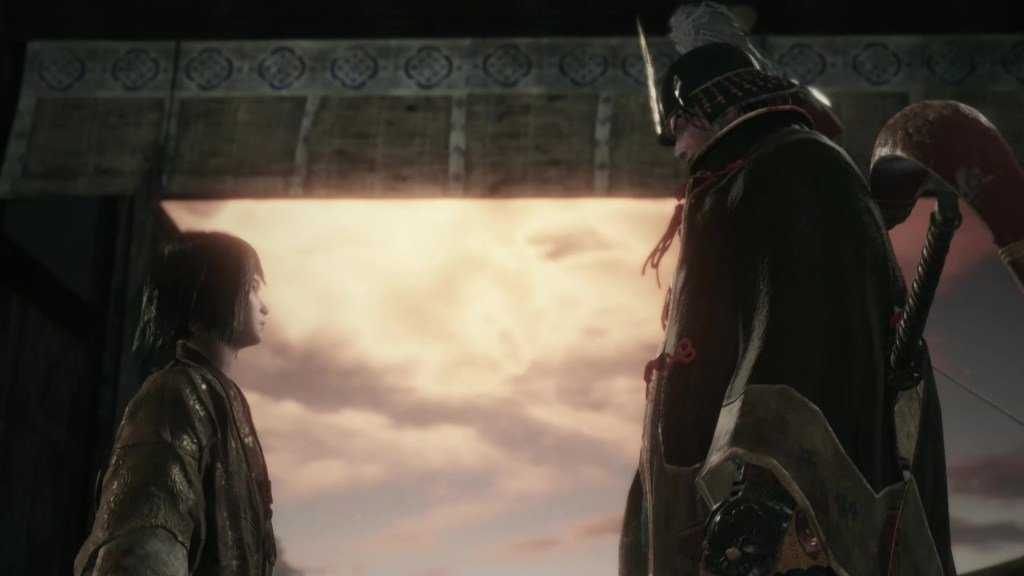
As the protagonist, Kuro believes that his immortality corrupts the lives of men. And he’s got a very good reason for thinking this. Kuro’s power makes him a valuable target, and many people have died because of that. It’s no surprise that Kuro feels severing his immortality is the only thing he can do to protect others.

In contrast, Genichiro believes that Kuro can protect others by using his gift. Now, this motivation comes from his fear of invasion. The Interior Ministry has been eyeing the land of Ashina for some time, and their rats have already started to close in. Genichiro asks Kuro to build him an immortal army so he can protect his people, but, Kuro declines his request. This drives Genichiro to kidnap Kuro and seek out other means to protect his adopted home.
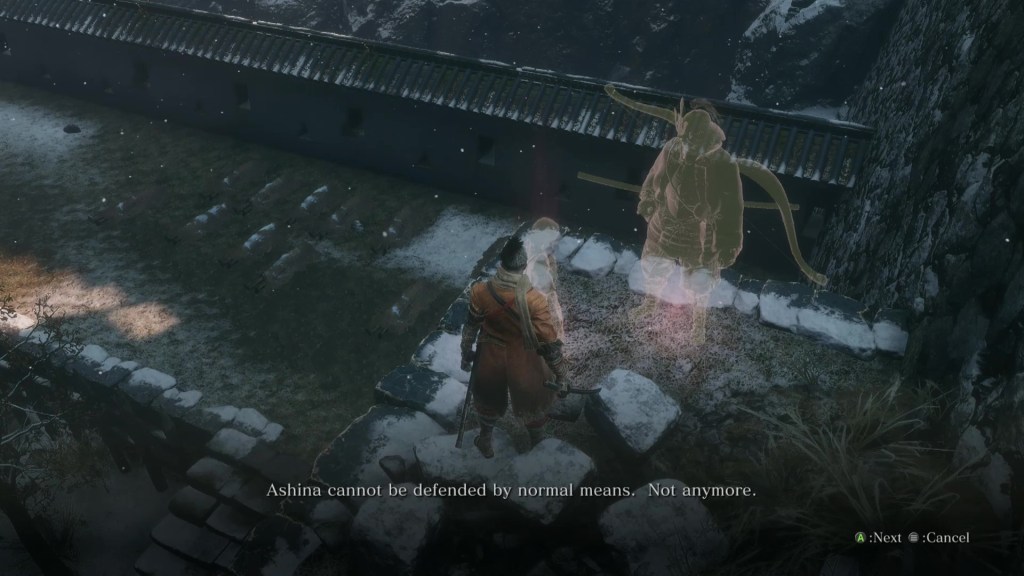
Sekiro is a game about clashing swords, so this conflict manifests in many of its boss battles. Kuro denies Genichiro access to his power 3 times. Each time Genichiro goes to increasingly radical extremes to wield immortality, and Wolf steps in to fight him.
Through these boss fights, not only are Wolf and Genichiro in physical conflict but so are Kuro and Genichiro’s beliefs. To protect others, should Immortality be used, or severed?
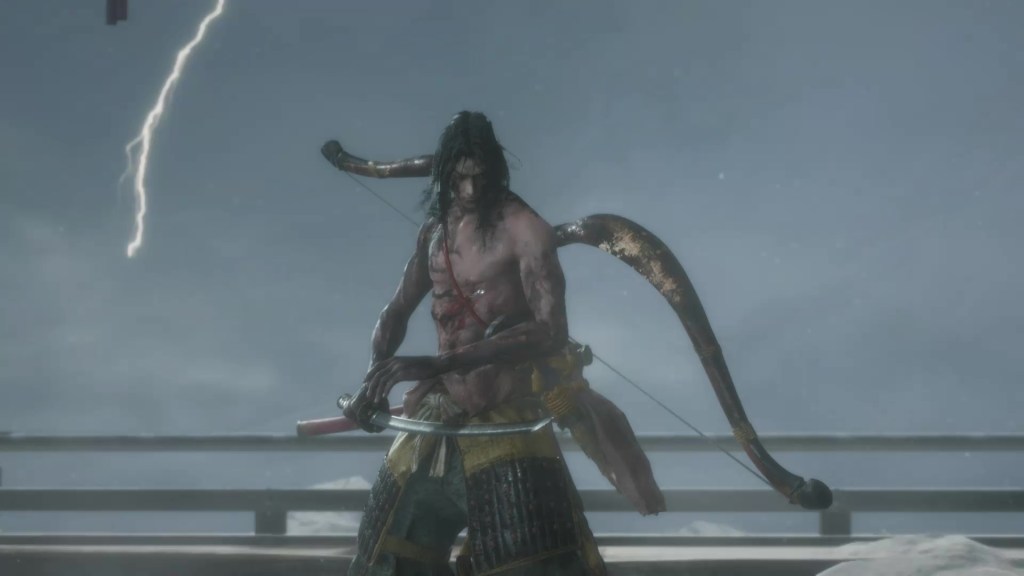
Sekiro’s narrative design uses its resurrection mechanic to create conflict between its characters. This tension drives the main plot and shapes many of the game’s boss fights. By combining gameplay and story, the fights between Wolf and Genichrio are more than a demanding physical challenge, they represent one character’s beliefs succeeding over the other’s. After the spark-powder settles, the best way to protect the people of Ashina is to sever the power that puts them in danger.
Further Examples of Combining Characters & Combat
The Great Shinobi Owl:
Sekiro’s themes of immortality are also explored through the Great Shinobi – Owl, Wolf’s adopted father. While Kuro and Genichiro differ on what to do with immortality, they both want to help others. Owl is another great point of opposition because he’s in direct conflict with both Kuro and Genichiro. He seeks to use immortality for himself, regardless of others. He’s also an embodiment of immortality’s corruption. Owl is willing to murder his own son (on more than one occasion) in pursuit of that power.
The Interior Ministry
The Interior Ministry doesn’t appear in full until the later acts of the game, but they’re the force that drives the entire plot into action. The Interior Ministry wants to reclaim the land they once lost and gain access to Kuro. Their gradual invasion of Ashina is what pressures Genichiro to confront — and later kidnap — Kuro, kicking off the events of the game. Much like Owl, the Interior Ministry wants to use immortality for themselves. But, they want to have it for the benefit of their community, not any one individual. Yet, the violent means by which they work to achieve this power corrupts the lives of others.
Storytelling Through Spaces

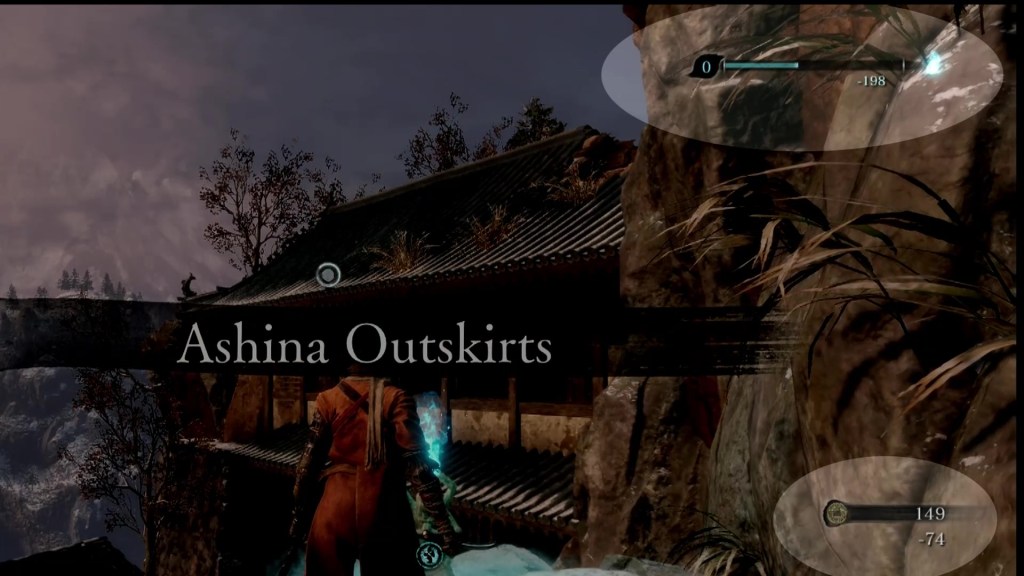
The narrative design of Sekiro doesn’t stop at the main plot. It also uses the game world to argue for immortal severance. Many of the locations you visit in Sekiro have been corrupted by immortality in different ways, and Senpou Temple is my favorite example of this.
High atop Mount Kongo, the Senpou Temple is no longer the holy grounds that it used to be. The monks of the monastery have abandoned their Buddhist faith to unlock the secrets of immortality.
And to a certain extent, they’ve been successful. But, their quest has corrupted them in more ways than one.
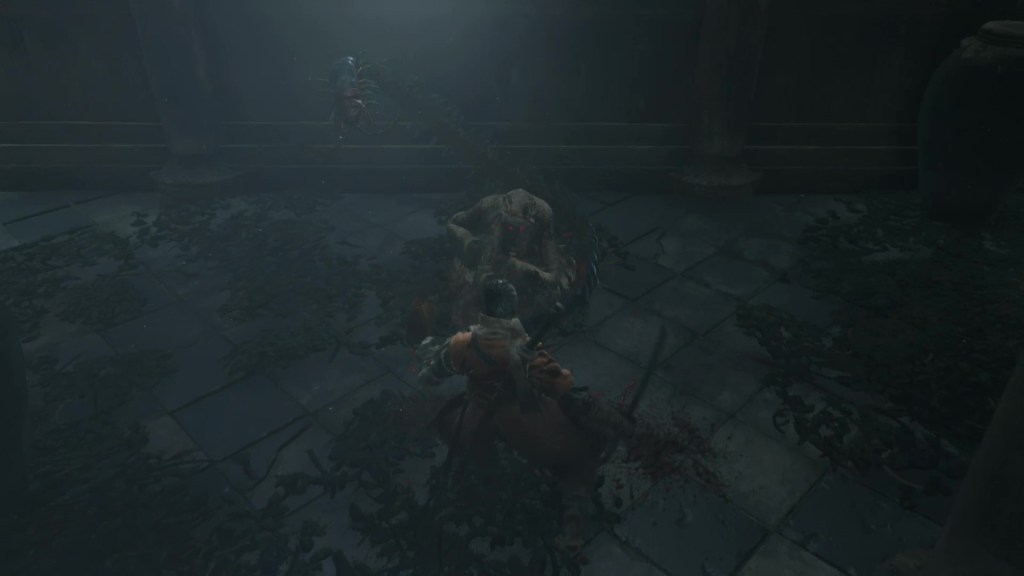
As you traverse the temple grounds you encounter these decrepit monks clothed in tattered white. They’re infested with centipedes and can’t be killed by conventional means.
In becoming a host for the parasite, they’ve achieved a form of immortality. But as their decaying bodies become little more than puppets, they’ve sacrificed their humanity to do so.
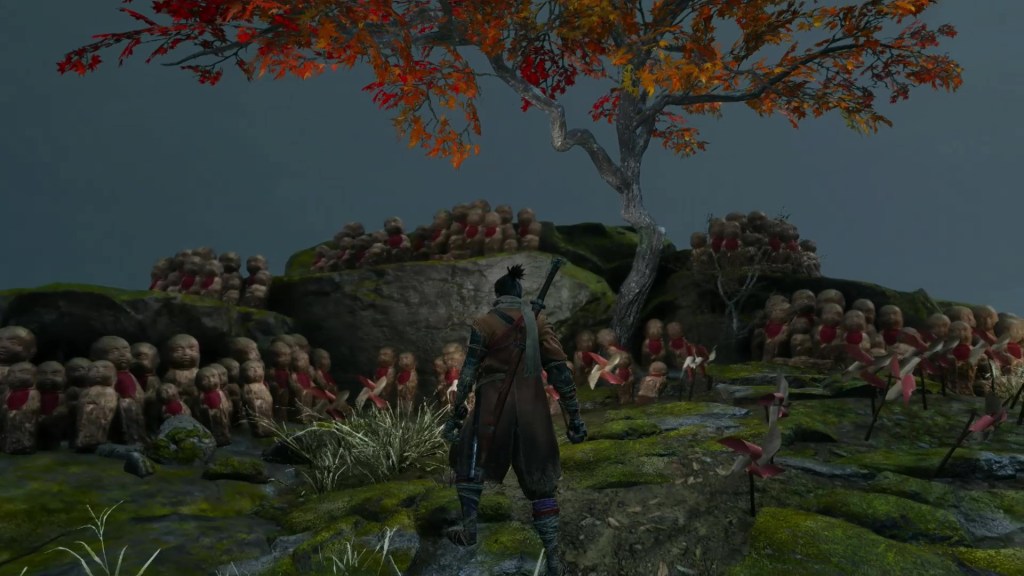
Now, not all the monks you encounter are immortal, but they are corrupt. As part of their research, the monks believed they could create an immortal being, much like Kuro. To do this, they experimented on hundreds of children; their pinwheels are scattered about the temple grounds.
The Divine Child of Rejuvenation is both their only success and the only survivor. Through their horrible experiments, the search for immortality corrupted the monks of Senpou Temple, stripping them of their humanity.
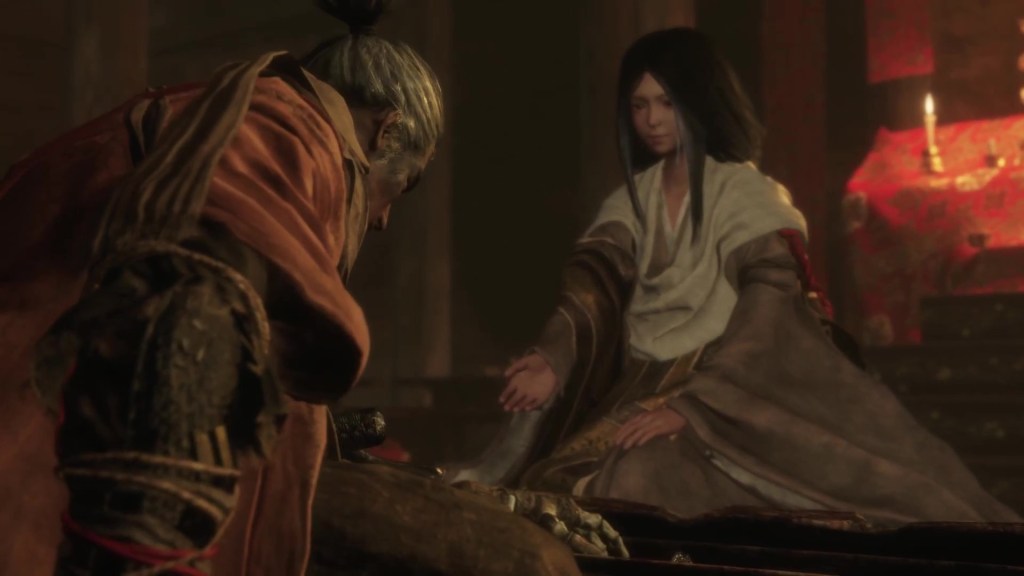
The narrative design of Sekiro weaves it’s story themes into the game world. In places like Senpou Temple, we walk through the aftermath of immortality’s corruption. We see the damage it’s done through both the physical space and the things that inhabit it. By just being in these places, we learn that to protect others, immortality must be served.
Further Examples of Storytelling Spaces
Mibu Village
Far below the Senpuo Temple, the Rejuvenating Waters pool in a hidden forest. Surrounding the waters is the Mibu Village. Much like the monks of the monastery, it’s citizens have been corrupted by immortality. Transformed into undead, the Mibu villagers are immortal in that they are unable to truly die. Yet, in as undead, they’ve lost their humanity. Whether it’s due to the experiments of the Senpou Temple Polluting the water, or it’s sheer distance from the source, the gift of immortality has corrupted Mibu Village and all who live there.
The Fountainhead Palace
Atop Ashina’s tallest peak is The Fountainhead Palace. This location is closest to the Divine Realm, the source of the Rejuvenating Waters. Many of the residents of the Fountainhead Palace have been turned into fish-like Mist Nobles. These grotesque humanoid creatures consume the life energy of others; sapping it through their flutes, or killing and eating their victims. As seen by the state of the Carp Attendant, they will even lure others becoming Mist Nobles themselves Being this close to the source of immortality has granted some residents eternal life. But not without corrupting their humanity, and that of others.
Thematic Gameplay: Storytelling Through Mechanics
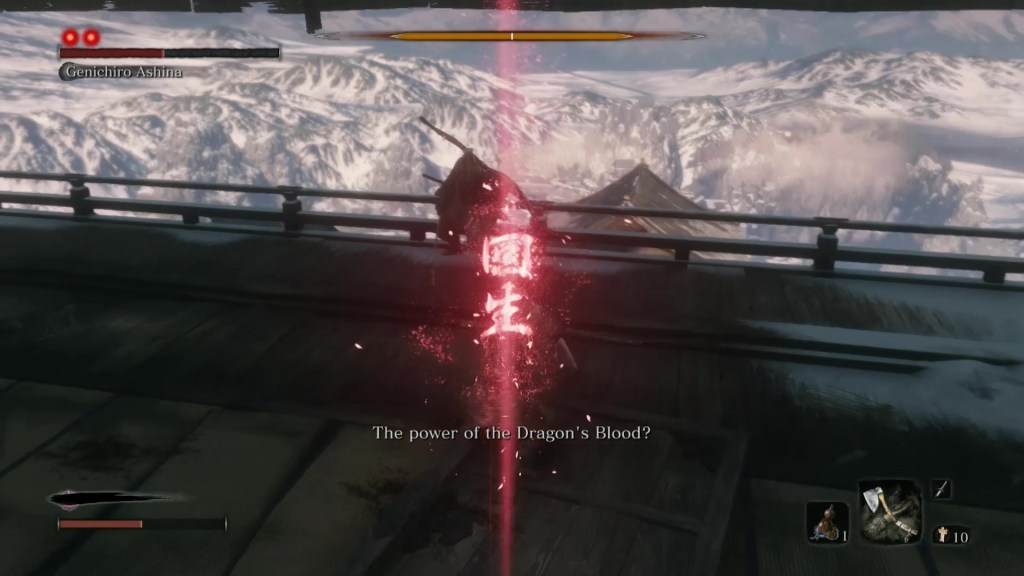
Sekiro’s narrative design comes full circle by exploring immortality through other aspects of gameplay. Enemy types, bosses, and tools are all influenced by Sekiro’s themes and experiment with them in different ways. Of these elements, I feel that the Dragon Rot system succeeds the most; combining both Sekiro’s story themes and the original resurrection mechanic.

Dragon Rot is an illness that affects most friendly NPCs. When you resurrect at one of the Buddhist shrines scattered throughout Ashina, you risk spreading it. The more people you infect, the higher your chances of losing half your coins and experience on death.
If that wasn’t a big enough setback, infected NPC’s can’t progress their questlines. You can only cure Dragon Rot a finite number of times. So, it’s very possible to exhaust your resources and stagnate progression.
Dragon Rot also has a narrative context. Wolf requires life energy to resurrect and during combat, he revives using his own energy. But if he doesn’t have any left, his resurrection draws on the energy of others. This is the cause of Dragon Rot.
Through this mechanic, you’re not just re-spawning at a checkpoint. Each death affects those around you. Your immortality is corrupting the landscape, and the game’s few friendly faces are literally dying from how bad you are at the game.
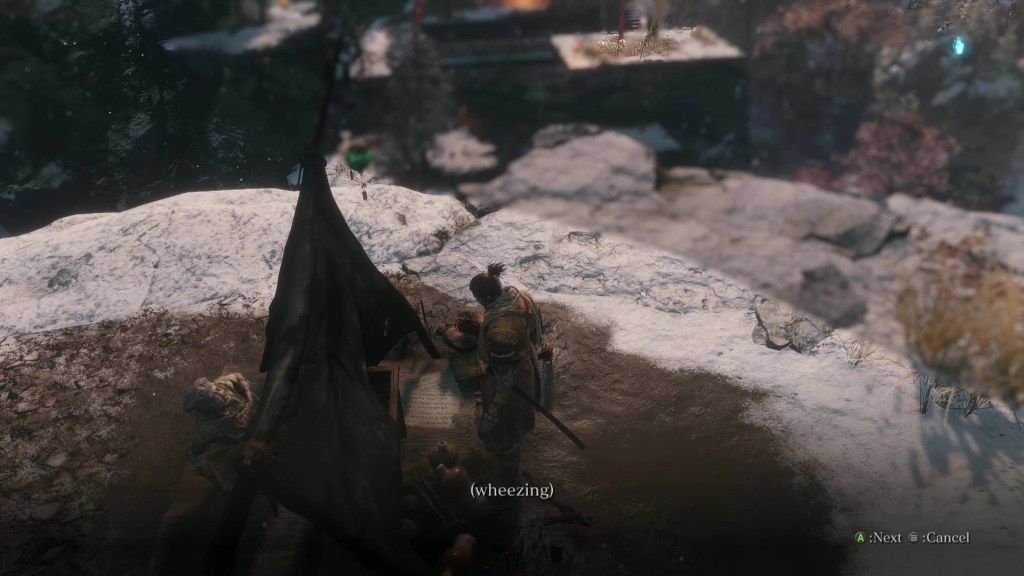
Through systems like Dragon Rot, Sekiro uses gameplay to explore its story themes. Having both gameplay and narrative consequences for resurrection reinforces the danger of immortality. By dying and resurrecting over and over, (and over and over) we choke the life from those around us. Severing immortality is the only way our actions will stop hurting others.
Further Examples of Storytelling Through Gameplay
The Mortal Blade
The Mortal Blade is a sword that can sever a person’s (or thing’s) tie to immortality and only be drawn by one who cannot die. The Mortal Blade uses Sekiro’s combat system to explore its narrative themes of immortality. Enemies such as the Infested Senpou Temple Monks, Guardian Ape, and True Monk, can only be killed through a Shinobi Execution. This technique uses the mortal blade to sever the enemy’s tie with its parasitic centipede, as well as it’s immortal bond. Questing after any tool with the power to sever immortality would have justifiable narrative context. But making it a sword creates more ways for Sekiro’s narrative design to connect both gameplay and story.
Undying Enemy Design
Sekiro’s theme of immortality inspires many enemy designs throughout the game. Enemies that must be executed with the Mortal Blade are one example of this, but it extends to other enemy types as well. For example, different forms of undead exist all over Ashina. The zombies of Mibu village are one twist on the concept of undying; apparitions and spirits are another. This exploration of “undying” entends to mini-bosses as well. 7 mini-bosses (3 Shichimen Warriors and 4 Headless) make up the major ghostly forces found in the game. These spirits have stagnated (unable to pass on after their death) and are extremely difficult to kill by normal means. The connections between gameplay and story exist in both how you fight and what you fight.
Closing Thoughts on the Narrative Design of Sekiro: Shadows Die Twice
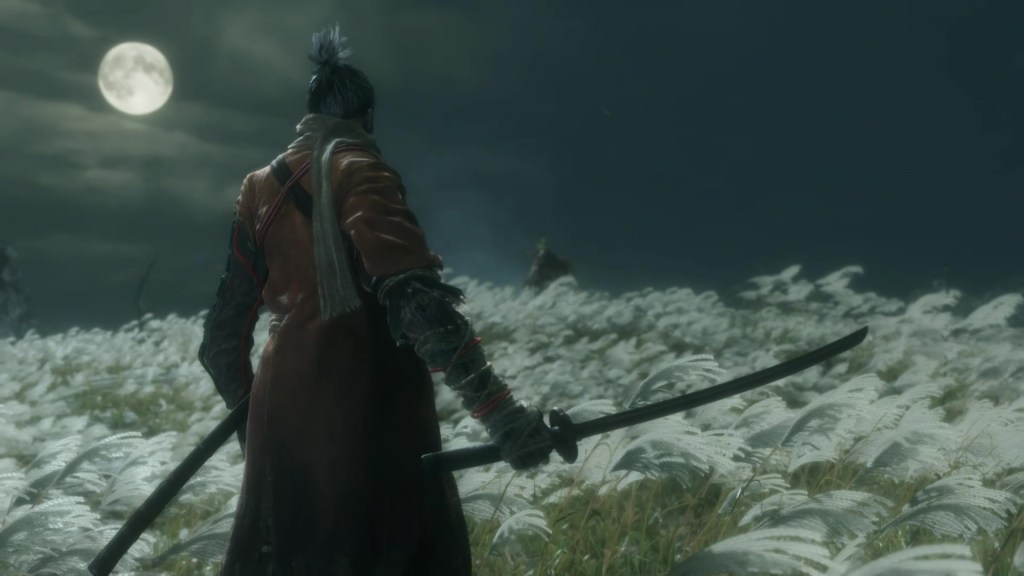
Sekiro’s shift in gameplay and narrative style finally gave me the confidence to try the FromSoftware brand of storytelling. And I’m so glad I did.
I had no idea what I was missing out on. I sweat through boss fights, found obscure connections, and got to experience Sekiro’s narrative design first-hand.
Sekiro’s story draws inspiration from its gameplay, then explores its ideas through its plot, its world, and its mechanics. Every major struggle, space, and system connect to characters, locations, and themes. Sekiro’s narrative design fuzes its gameplay and story, making every exhilarating fight and dramatic scene better because of the other.
FromSoftware Storytelling
Playing Sekiro was a lot of fun it really kicked my ass.
But it made me really excited to take another shot at DarkSouls and Bloodborne.
I know those games are renowned for their narratives.
So, leave a comment sharing your favorite piece of FomSoftware storytelling.
Thanks again.
 Channel Cousin