
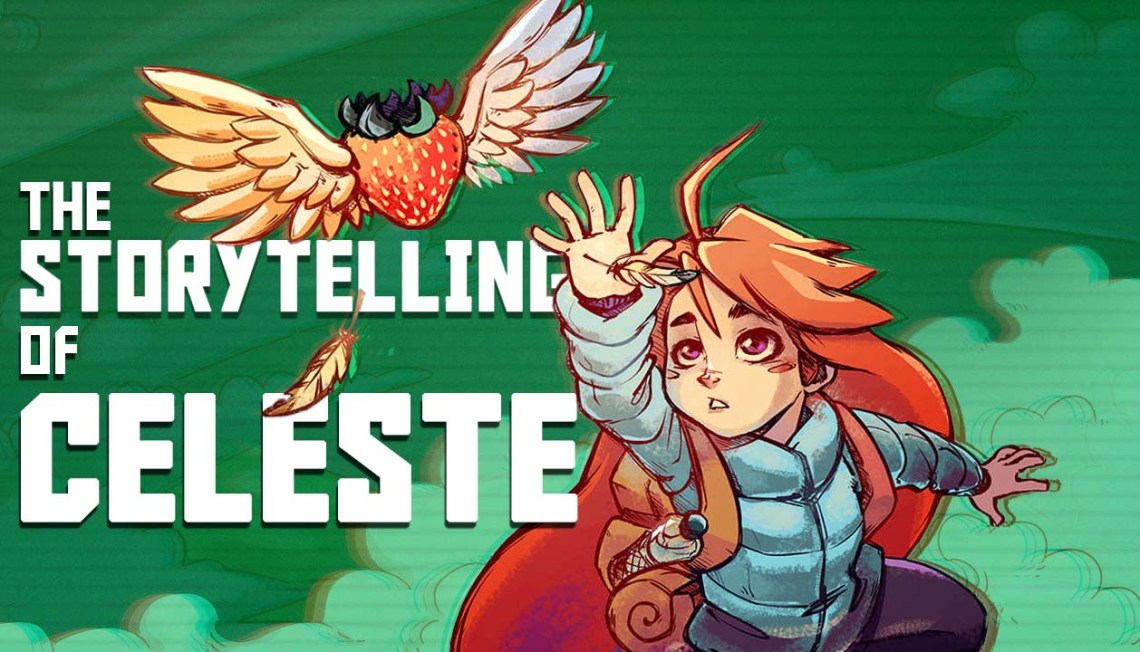
Using its gameplay to guide its storytelling is something Celeste does really well. I finally got around to playing it, after hearing all the praise it received and was surprised by how much I enjoyed its story.
It wasn’t something I’d heard much about, but it did get the games for impact award, so I guess that’s an issue on my end. Nevertheless, Celeste deserves all the praise it’s received, in fact, I think it deserves a little more.
So, I want to take some time to appreciate how the storytelling of Celeste uses its gameplay to build a strong narrative.
Gameplay Leads to Storytelling
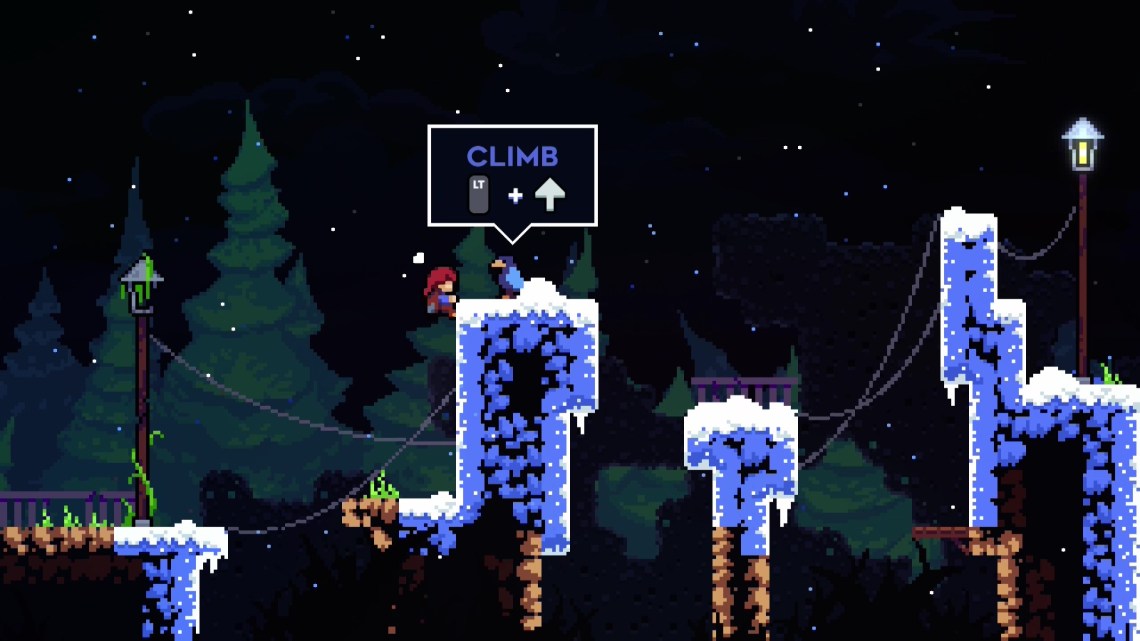
When I talk about the gameplay of Celeste, I’m talking about the main character, Madeline, and her ability to jump, climb walls, and do this little dash. Celeste is a game about climbing a mountain, and every mechanic is built around that concept.
The dev team has refined Madeline’s move set to a point, making moving one action to the next effortless.
It’s why Celeste feels good to play.
These core mechanics are the guiding foundation for the rest of the game’s design, and that includes its storytelling.
Two Slopes, One Story

Madeline’s Side of The Mountain
In his book The Anatomy of Story, narrative consultant John Truby shares that in storytelling, mountains are arenas where characters go to prove themselves. Seeking answers atop its peak and catharsis through the grueling climb.
“This highest of all places translates, in human terms, into the land of greatness. This is where the strong go to prove themselves – usually through seclusion, meditation, a lack of comfort, and direct confrontation with nature in the extreme.” – John Truby
This describes Celeste’s plot perfectly. Madeline believes that by scaling the mountain, she’ll gain some sense of control over her anxiety and depression.
However, Celeste Mountain has other ideas. Its supernatural qualities force her to physically confront her mental health, and it’s only by grappling with this, Part of Her, that she begins to heal.
My Side of The Mountain
Mt. Celeste is a trial for Madeline, but it’s also a proving ground for the player. Much like Celeste the mountain, Celeste, the game has its own reputation for being challenging. It’s this status that draws both Madeline, and the player, to the foot of the mountain.
Part of what makes difficult games so alluring is the chance for you to test your skills. Celeste welcomes challengers, and while never unfair, you either have to be skilled enough or stubborn enough to make it to the peak and beyond.
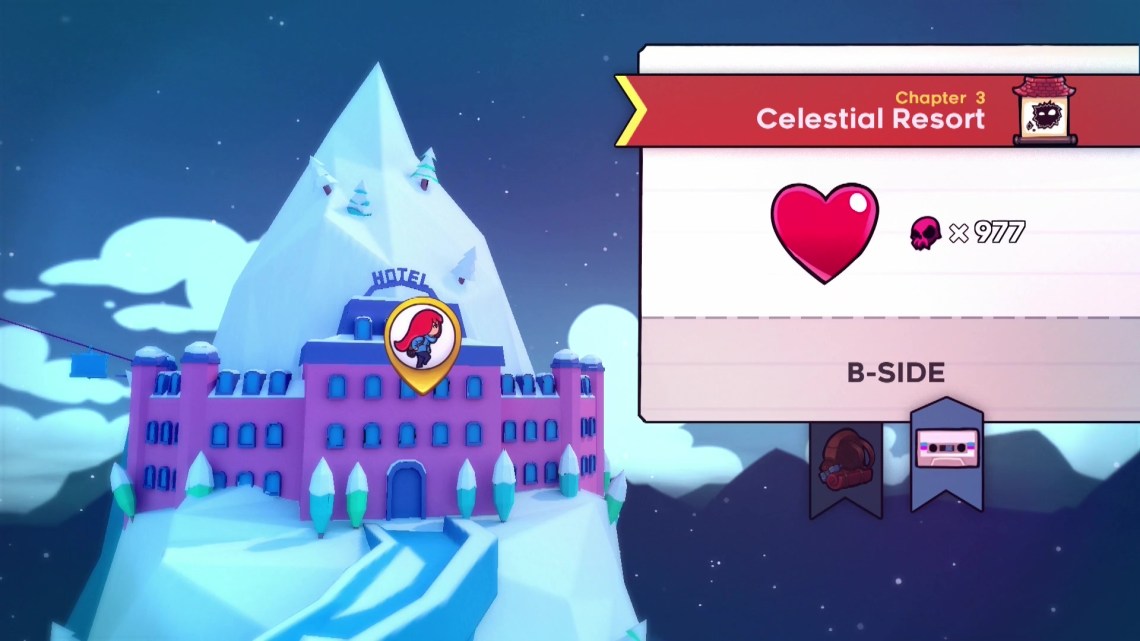
For instance, I ended up on a B-side level, but I invested too much time into it to give up on my progress, so I had to work my way through it. But, if I can do it, you should be fine.

Together We Climb
While these are two very different conflicts, Celeste uses its difficulty to help frame Madeline’s internal struggle within the player’s physical one.
Much of the stress and frustration you feel from clambering up the mountain, mirrors the stress and frustration Madeline feels when grappling with her mental health.
By running these ideas parallel to each other, Celeste creates empathy between Madeline and the player.
Strawberries and Sidebars
Collecting Strawberries
Celeste’s core gameplay doesn’t just shape the setting and theme of its story. It also helps the narrative explore its other ideas Here’s what I mean, throughout the game, you have the option of doing small side challenges to collect a strawberry.
That’s right, I found a way to make the strawberries relevant, you’re welcome.
These challenges entice and test players that wander off the main path but are completely optional and aren’t necessary to finish the game.
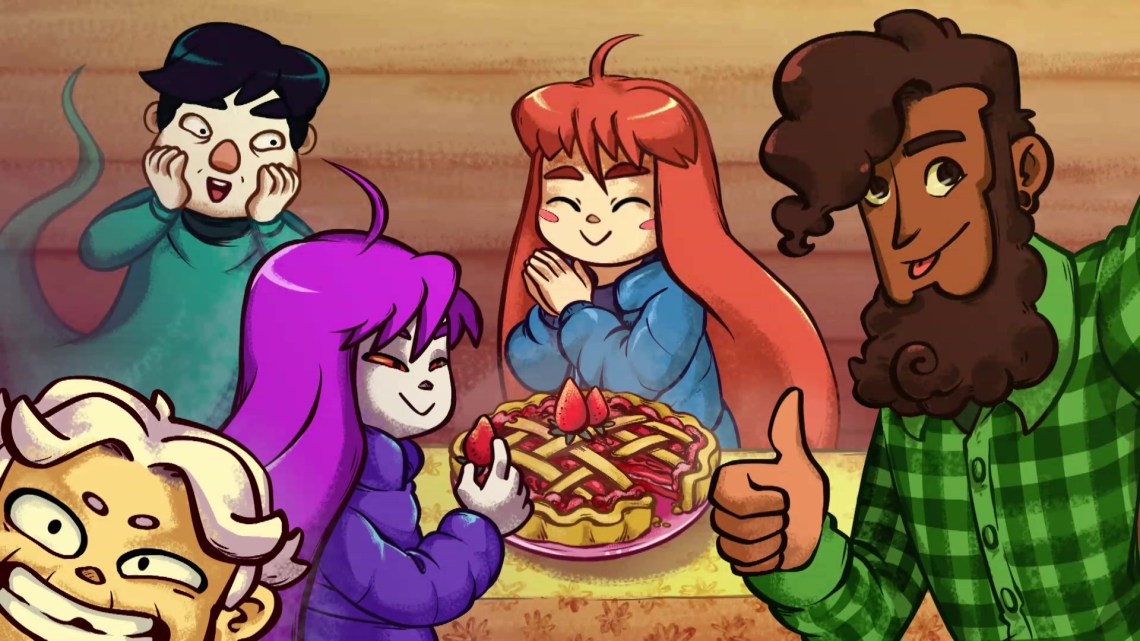
The number of strawberries you collect will impact Madeline’s baking and impress your friends, but otherwise, that’s about it.
Sidebars With Strangers
Just like Celeste’s strawberry challenges expand on the gameplay, Celeste’s extra dialogue expands its story. When talking to characters you have the option to continue the conversation (groundbreaking I know), but by doing this, you discover more about them that isn’t shared in the main plot.
For example, the extent of Mr. Oshiro’s anxiety, why Granny lives on the mountain, and Theo’s relationship with photography are all details you can miss completely if you opt-out of these conversations.
The gameplay is a lot of fun, so I understand why players would skip this, but it’s these moments that build connections with the game’s cast.
Making Players a Part of Storytelling
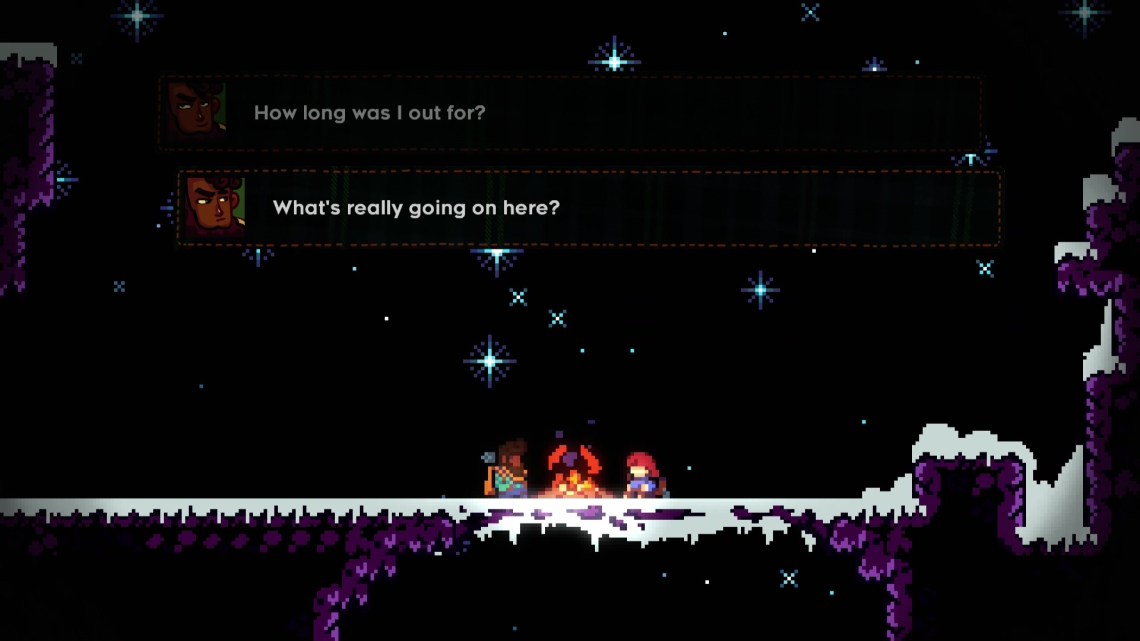
I get the feeling that during the script’s development the dev team determined the most crucial elements of the story, made them the mandatory dialogue sections and reserved anything else they felt was important, to the optional dialogue. This makes Celeste’s story something all players can follow, and extremely rewarding to those invested in its contents.
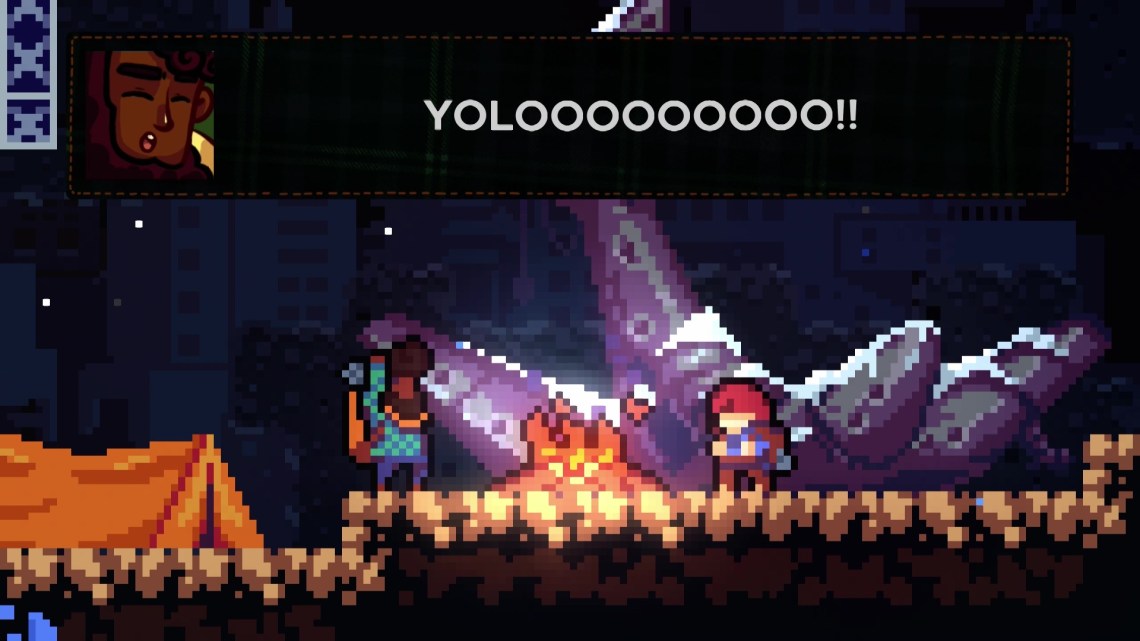
The exception to this is chapter 6’s intro scene between Madeline and Theo. For context, after narrowly escaping the mirror temple, both characters make camp and use that time to get to know each other a little better. While they rest up, they share details about their lives, why they came to Mt.Celeste, and the challenges it’s created for them.
This section does a great job of getting players involved in a space that could have all easily been one long cutscene. Instead of watching two characters talking to each other, you drive the conversation by choosing what questions Madeline and Theo ask on your behalf. By building the scene in this way, your relationship with these characters grows in parallel to their friendship.
The Mountain’s Peak
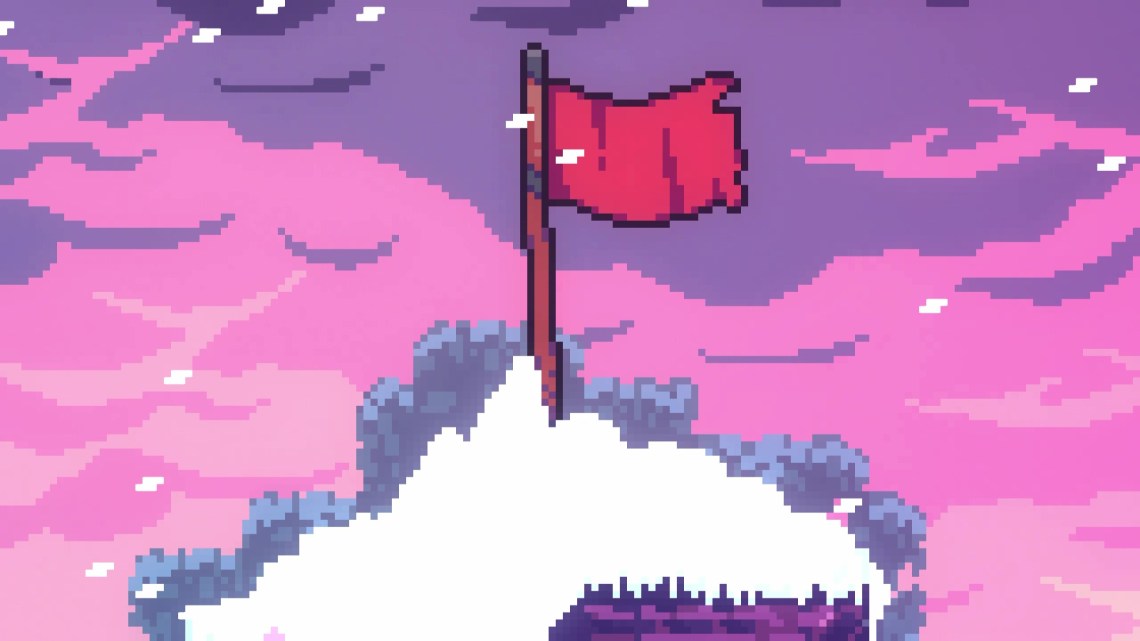
The storytelling of Celeste is guided by a commitment to its core gameplay. Madeline’s move set is meticulously crafted to help her scale Celeste mountain. Her story uses that theme to explore her personal mountains and their unique challenges.
By mirroring gameplay and storytelling, Celeste frames Madeline’s internal struggle within the player’s physical one. Both are an emotional climb, and how Celeste uses that shared connection to help you grasp what Madeline’s going through is what makes the storytelling of Celeste so impactful.
Climbing The Next Mountain
Thanks for reading all of that. I promise I’ll stop talking and now hopefully I’ll get to listen.
Obviously, I think Celeste does a great job connecting its theme and gameplay together to create a strong narrative, but I want to hear from you.
What other games do you think do a good job of combining its storytelling and gameplay?
Let me know in the comments!
 Channel Cousin