
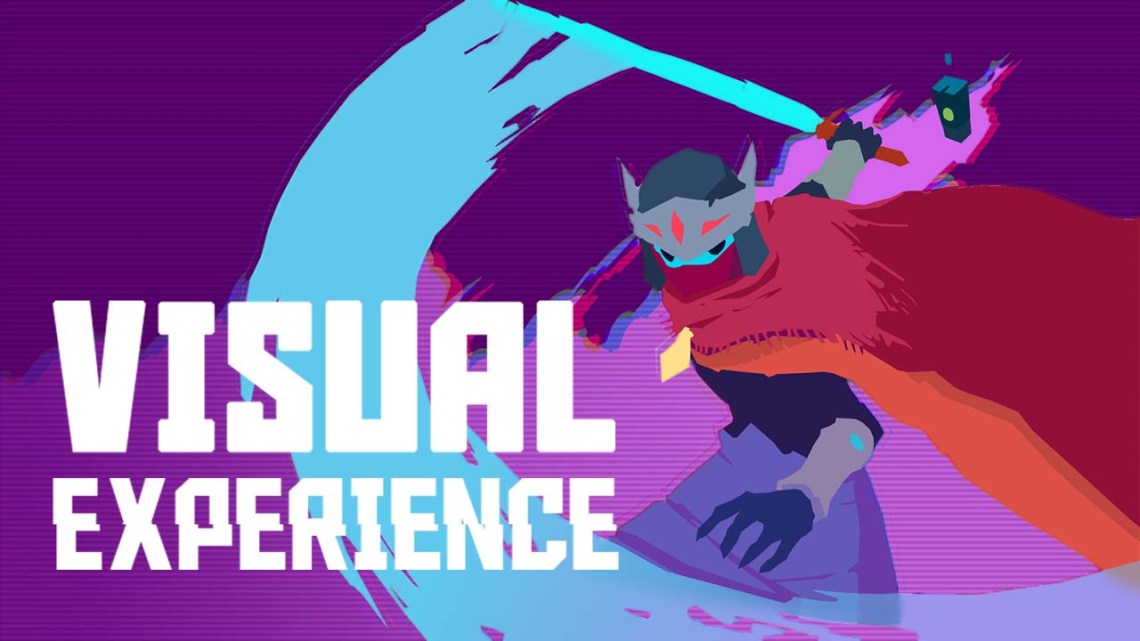
You can learn a lot about someone through their storytelling. One of my favorite examples of this in video games is Heart Machine’s Hyper Light Drifter. There’s plenty to enjoy about this game, the vibrant colors, the somber synth tones, and this neat little guy in a red cape. I went into this game hoping to learn more about its world, yet what stayed with me long after putting the controller down, was how Hyper Light Drifter shares a personal story without uttering a single word.
Created and conceptualized by Heart Machine’s founder Alx Preston, Hyper Light Drifter is the telling of his story. Not the light saber and giant robot stuff, although that would be really cool, but his struggle with life-threatening health issues. When interviewed by The Guardian, Alx shared,
“The main character in Hyper Light Drifter suffers from a deadly illness, one he is desperately seeking a cure for. It haunts him, endlessly. That’s something I’m keenly familiar with.” – Alx Preston
I’m fascinated by how well his perspective is communicated to the player. I have asthma and a mild peanut allergy. Nothing that forces me to consider that my body could check out at any moment; but thanks to the portrayal of illness in this game, I’ve gained a respect for it. Hyper Light Drifter has made me reflect on the dread of another coughing fit. The discomfort with an artificial aid. Knowing the truth about a health condition and the helplessness of experiencing an attack from within. Yet, realizing all of this and still pressing forward. This game’s ability to share such a complex relationship and private experience with the player is nothing short of incredible.
What really elevates this telling for me, is how these ideas are delivered without text, or voice acting. The events of Hyper Light Drifter are conveyed through cutscenes, these PowerPoints that replace dialogue, and environmental storytelling. The visuals don’t connect the dots for the player, but by exploring the world, you can start to piece things together. To do this, you have to stay focused on the game, and while searching the screen for clues, the events that happen to the drifter become more impactful. The worsening symptoms are concerning, finding an ally is a huge relief, and the small moments of humor are a welcome surprise. By sticking to “show don’t tell,” Hyper Light Drifter’s visuals allow the player to connect with the main character and bring the more personal themes into focus.
The visuals only give the player a glimpse into the world’s history, and that’s by design. The ambiguity of the plot allows players to get invested, without requiring them to know every detail, making many aspects of Hyper Light Drifter’s story open to interpretation. While there is attention given to the characters and events, the ambiguity makes sure they don’t distract from the personal ideas trying to be shared. Sure, maybe knowing the nature of this dog is vital to understanding the plot. Then again, dogs have played an important role in Alx’s treatment, and maybe he wanted to represent that in the game. Who knows? Whatever the case, hyper light drifter’s story doesn’t focus on the minute details, making its emotional ideas easier to see.
Learning about creators through their work is one of my favorite parts of storytelling. It really makes me feel like I’ve connected with them and been a part of an incredibly personal experience. That’s why Hyper Light Drifter is one of my favorite video games. Through visuals alone, it shares Alex Preston’s complicated relationship with illness and has given me an appreciation and respect for an experience I would have never known otherwise.
“Why not put yourself into your art and make it more personal, because for me that’s always the more interesting art.” – Alx Preston
 Channel Cousin